Get Drainage Sloping
Drainage sloping services help property owners prevent water pooling and foundation issues by adjusting land grades and installing proper drainage solutions with local contractors.
Proper drainage is essential for maintaining the stability and safety of any property. Sloping services help ensure water flows away from foundations, driveways, and outdoor spaces, reducing the risk of water damage, erosion, and flooding. Property owners in the area who are planning landscaping projects, addressing drainage issues, or preparing for seasonal weather changes often explore local contractor options to find solutions that suit their specific needs.
By comparing local service providers, property owners can discover a range of drainage sloping options tailored to different property types and conditions. Connecting with experienced contractors in the area allows for informed decision-making and helps ensure that drainage improvements are effective and durable. Keep reading to learn more about how local experts can assist with your drainage needs.
- Driveway Drainage - needed when excess water pools on driveways and causes flooding or damage.
- Garden Drainage - required to prevent waterlogging and protect landscaped areas after heavy rains.
- Basement Sloping - necessary when water seepage or flooding occurs due to poor drainage around the foundation.
- Patio and Pathway Sloping - essential for ensuring proper runoff and avoiding standing water on outdoor surfaces.
- Commercial Drainage Solutions - needed for businesses experiencing drainage issues that impact operations or safety.
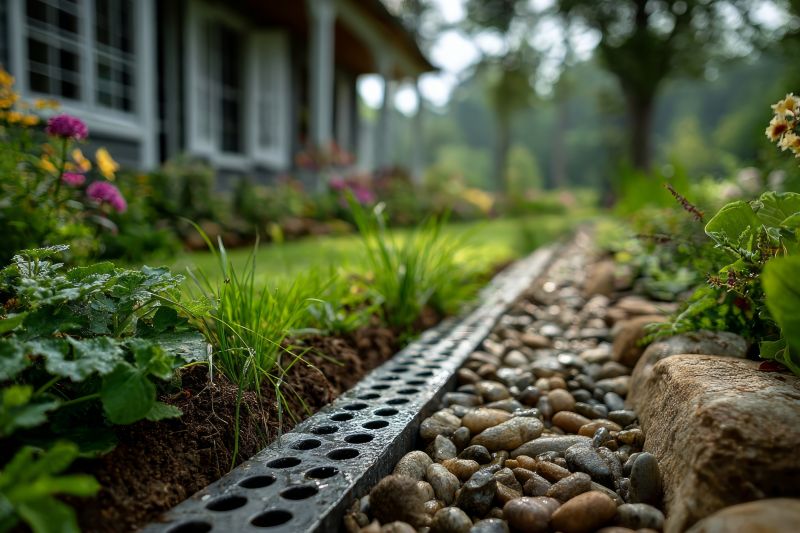
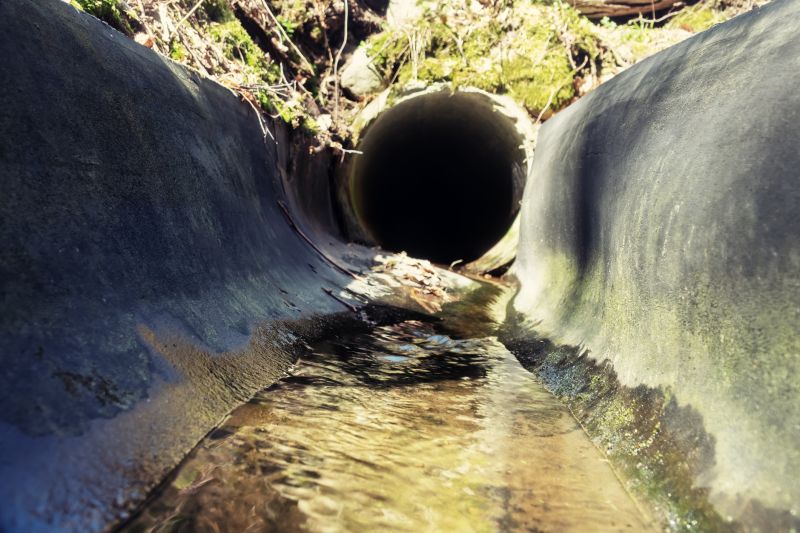
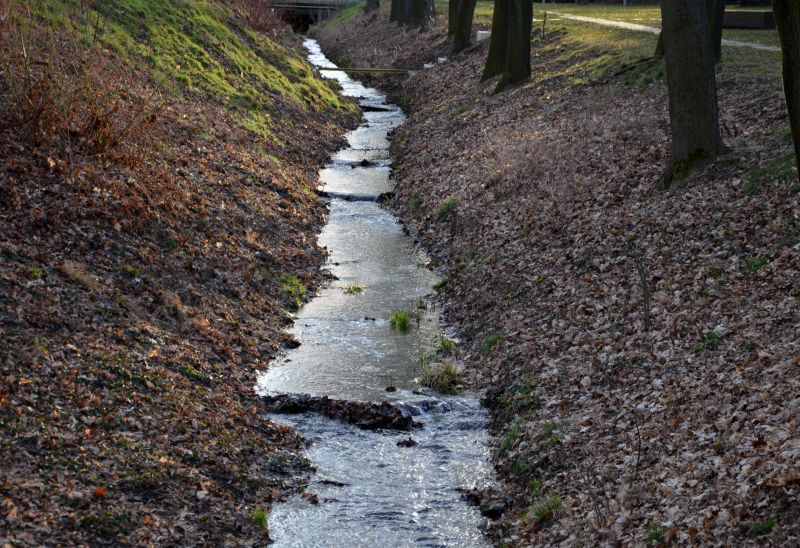
Drainage sloping services involve adjusting the gradient of a property's land to ensure proper water flow away from foundations, walls, and other structures. This process typically includes grading the soil to create a gentle incline that directs rainwater and surface runoff toward designated drainage points such as drains, gutters, or stormwater systems. Proper drainage sloping helps prevent water from pooling in unwanted areas, reducing the risk of water infiltration and damage to the property’s foundation and landscaping.
Many common problems can be addressed through drainage sloping. Standing water around a property can lead to issues like basement flooding, mold growth, and soil erosion. Excess water can also weaken the stability of patios, driveways, and retaining walls. By improving the land’s slope, these problems are mitigated, allowing water to flow naturally away from the property and reducing the likelihood of costly repairs or ongoing maintenance caused by water-related issues.
Properties that often benefit from drainage sloping include residential homes, especially those with flat or poorly graded yards. Properties built on uneven terrain or with landscaping that directs water toward the house are also common candidates. Additionally, commercial properties, driveways, parking lots, and outdoor recreational areas may require drainage adjustments to prevent water accumulation and ensure safe, accessible outdoor spaces. Local contractors can assess each property’s specific needs and recommend suitable grading solutions.
Homeowners experiencing persistent puddles, water pooling after rainfall, or signs of foundation movement should consider drainage sloping services. Proper grading is essential for maintaining the integrity of the property and avoiding future water-related problems. Contacting experienced local service providers can help determine the best approach to improve drainage, protect the property’s structure, and maintain a safe, dry outdoor environment.
The overview below groups typical Drainage Sloping projects into broad ranges so you can see how smaller, mid-sized, and larger jobs often compare in your area.
In many markets, a large share of routine jobs stays in the lower and middle ranges, while only a smaller percentage of projects moves into the highest bands when the work is more complex or site conditions are harder than average.
Smaller Repairs - typical costs range from $250-$600 for minor drainage sloping adjustments or repairs. Many routine jobs fall within this range, depending on the scope of work and materials needed.
Moderate Projects - larger, more involved drainage slope improvements usually cost between $600-$1,500. These projects often include regrading sections of a yard or driveway and are common among local contractors.
Full Drainage Regrading - complete regrading or slope correction can range from $1,500-$3,000 for standard properties. Projects in this range are more extensive but still typical for many homeowners seeking to improve drainage.
Major Drainage System Overhauls - complex or large-scale drainage system replacements can exceed $5,000, especially for extensive landscape modifications or custom solutions. Such projects are less frequent but necessary for significant drainage issues.
Actual totals will depend on details like access to the work area, the scope of the project, and the materials selected, so use these as general starting points rather than exact figures.
Foundation Drainage Projects - local contractors often use similar planning and grading skills to ensure proper water flow away from building foundations.
Landscape Drainage Solutions - services that involve grading and sloping to prevent water pooling in gardens and outdoor spaces.
Driveway Drainage Installation - projects requiring precise slope calculations to direct surface water effectively and prevent flooding.
Retaining Wall Drainage Systems - involves managing water runoff behind retaining structures using similar drainage planning techniques.
Basement Waterproofing Drainage - requires expertise in sloping and drainage to divert water away from below-ground spaces.
Rainwater Harvesting Systems - involve designing drainage pathways and slopes to channel rainwater efficiently into collection systems.
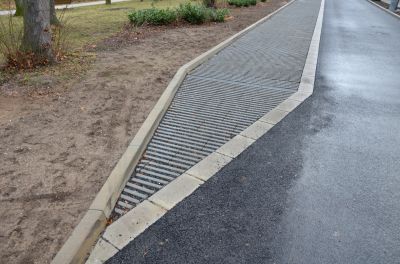
When comparing contractors for drainage sloping services, it’s important to consider their experience with similar projects. Homeowners should look for service providers who have a proven track record of handling drainage and grading work comparable to the scope of their project. Asking about past projects or requesting examples of completed work can help gauge a contractor’s familiarity with the specific challenges involved in drainage sloping. This ensures that the selected professional understands the nuances of proper grading techniques to effectively manage water flow and prevent future issues.
Clear, written expectations are essential when evaluating local contractors. Homeowners should seek detailed proposals that outline the scope of work, materials to be used, and the responsibilities of each party. Having these expectations documented helps prevent misunderstandings and provides a reference point throughout the project. It’s also beneficial to clarify the process for addressing any unforeseen issues that may arise, ensuring that both parties are aligned from the outset and that the project proceeds smoothly.
Reputable references and good communication are key factors in choosing a reliable service provider. Homeowners can ask potential contractors for references from previous clients who had similar drainage projects completed. Contacting these references can provide insights into the contractor’s professionalism, punctuality, and quality of work. Additionally, effective communication-such as prompt responses to inquiries and clarity in explaining project details-helps build trust and ensures that expectations are met. It’s important to remember that this site introduces homeowners to local options, serving as a resource to connect with qualified service providers rather than performing the work itself.
Property owners use Drainage Sloping services for practical projects around their homes and businesses. This guide focuses on everyday jobs and straightforward project options.
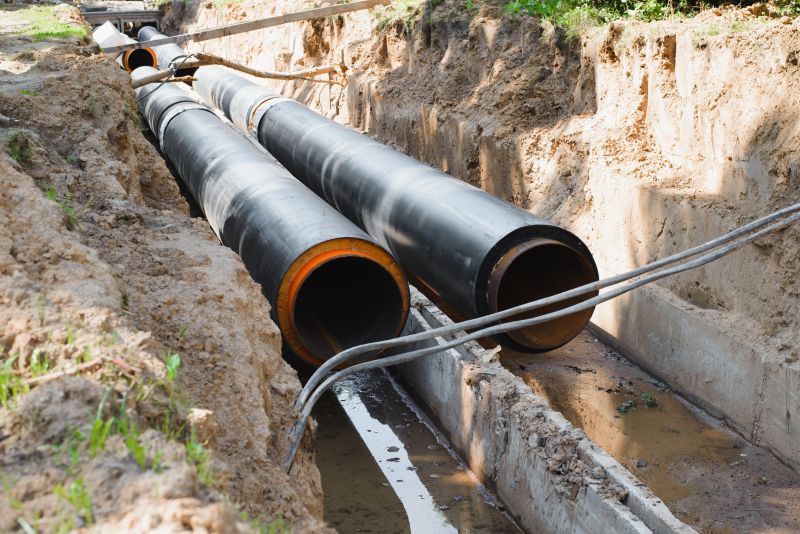
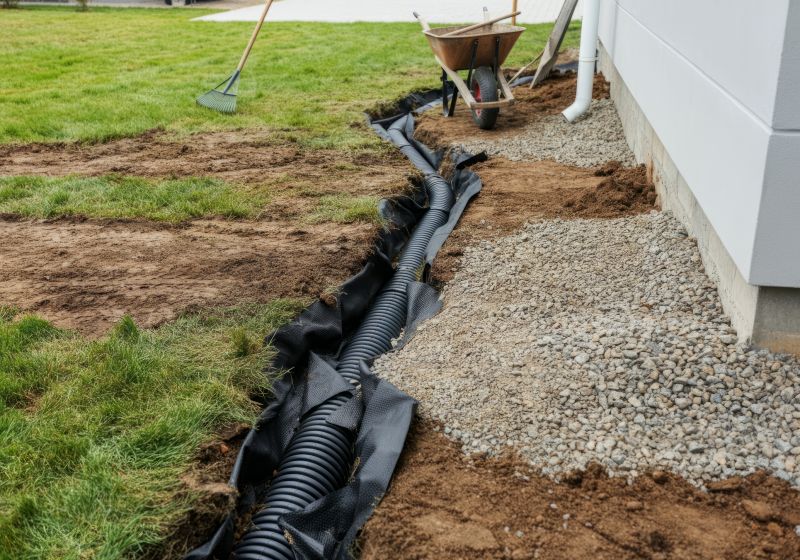
Drainage sloping services are often needed when property owners notice water pooling around their foundations or in their yards after heavy rain. Properly sloped drainage systems help direct water away from the property, reducing the risk of water damage, erosion, or flooding. Local contractors can assess existing drainage setups and make the necessary adjustments to ensure water flows away efficiently, protecting the property's structure and landscaping.
Homeowners may also seek drainage sloping solutions when planning new construction or landscaping projects. Correctly graded surfaces prevent water from collecting on patios, driveways, or garden beds, which can cause issues over time. Local service providers can provide expert advice and installation to improve water runoff management, making outdoor spaces safer and more functional.
What is drainage sloping? Drainage sloping involves adjusting the angle of surfaces to ensure water flows away from buildings and areas where it could cause damage or pooling.
Why is proper drainage sloping important? Proper drainage sloping helps prevent water accumulation, reducing the risk of foundation issues, erosion, and basement flooding.
How do local contractors determine the correct slope? They assess the site’s layout, soil type, and existing drainage patterns to establish the most effective slope for efficient water runoff.
Can drainage sloping be added to existing structures? Yes, experienced service providers can modify or add slopes to existing surfaces to improve drainage performance.
What surfaces can be improved with drainage sloping? Driveways, walkways, patios, and yard areas are common surfaces where drainage sloping can help manage water flow effectively.
Improve Yard Drainage - Proper sloping helps direct rainwater away from your yard, reducing pooling and erosion over time.
Prevent Basement Flooding - Ensuring correct drainage slopes can keep excess water from seeping into basement areas during heavy rains.
Manage Surface Water - Adjusting drainage slopes around driveways and walkways helps prevent water buildup and damage.
Prepare for Heavy Rain - Properly sloped drainage systems can help manage stormwater runoff and protect property foundations.
If you are thinking about Drainage Sloping for a property, this guide is meant to help you understand the work, the typical project types, and how different options might fit your plans.
When you are ready, you can use the quote form on this page to share a few details about your project. From there, local pros can review the basics and respond with options that match what you have in mind.